

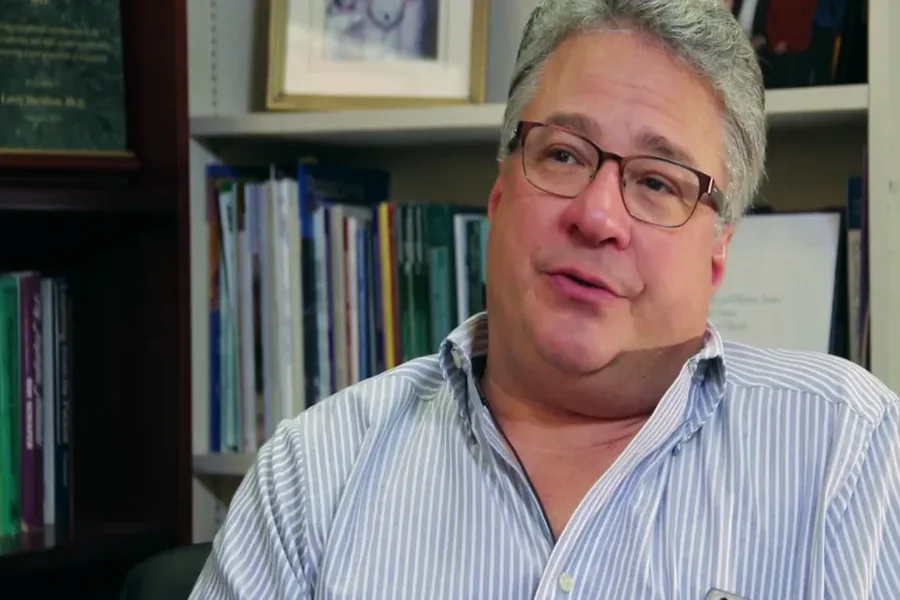
Physical therapy has become a central part of the outpatient spine surgery model. Faster recovery timelines, earlier mobilization, and reduced reliance on hospital stays necessitate a structured approach that supports patients from their initial steps after surgery through their return to daily activities. Dr. Larry Davidson, a board-certified neurosurgeon with fellowship training in complex spinal surgery, has observed how physical therapists adjust their methods to accommodate a model that enables patients to recover at home within hours of their procedure. This shift requires clear communication, personalized planning, and careful attention to both the physical and emotional aspects of healing.
Physical therapists provide education, guidance, and reassurance that help patients navigate early recovery with confidence. Their role begins before surgery for many individuals and continues throughout each phase of healing. In an outpatient setting, this support becomes even more important because patients must rely on clear instructions and structured routines once they leave the center.
Preparing Patients Before Surgery
Many outpatient surgery centers encourage patients to meet with a physical therapist before their procedure. This early contact helps establish expectations and prepares individuals for the movements they will need during the early stages of recovery. Therapists teach safe techniques for getting in and out of bed, as well as for standing, sitting, and walking. These strategies protect the spine from unnecessary strain and help patients feel more prepared for the first hours after surgery.
Preoperative sessions also help identify any balance or strength concerns that could affect recovery. Patients learn specific exercises to maintain mobility and build gentle strength before the procedure. This preparation helps build confidence and facilitates a smoother transition into postoperative routines. Understanding expectations reduces fear. Patients arrive on the day of surgery already familiar with the activities that will support their healing.
Supporting Early Mobilization
Early movement is one of the most important aspects of outpatient recovery. Physical therapists guide patients through their first steps and teach them how to move without compromising the spine. These early activities promote circulation, reduce stiffness, and help the body regain its natural rhythm after anesthesia.
Therapists introduce movements that match each patient’s comfort and ability. Walking short distances, shifting positions, and practicing gentle stretches become part of the early plan. This approach helps prevent hesitation and ensures that patients return home with the knowledge they need to maintain safe mobility. Outpatient patients leave the center within hours, and physical therapists must provide clear, simple, and effective instructions that patients can follow at home to ensure their continued progress. This guidance reduces uncertainty and helps individuals continue moving with confidence.
Adapting Techniques for Home-Based Recovery
Physical therapists in the outpatient model recognize that patients recover in environments that vary widely. Some have stairs, while others live in small spaces. Some have dedicated caregivers, while others live alone. Therapy plans must adjust to these realities.
Therapists teach patients how to navigate their home environment safely and effectively. They discuss where to place chairs, how to adjust sleeping arrangements, which movements are safest during daily activities, and how to utilize supports such as grab bars or pillows to enhance safety. These strategies help prevent falls and reduce unnecessary strain. Therapists also explain which movements to avoid during the first phase of recovery. Twisting, bending, and heavy lifting can compromise healing. Clear guidance helps patients stay safe as they build new routines at home., and heavy lifting can compromise healing. Clear guidance helps patients stay safe as they build new routines at home.
Mid-Recovery: Supporting Physical and Emotional Progress
The middle stage of recovery is often where patients need the most reassurance. Discomfort may fluctuate, energy levels may shift, and emotions can become heavier. It is also the time when physical therapy becomes even more important.
Dr. Larry Davidson mentions, “Chronic pain and stress can have a profound impact on both mental health and physical activity levels,” he says. “When someone is living with constant pain, it often leads to depression, reduced motivation, and decreased activity, all of which can further compromise spine health.” His observation reflects why therapists must address both mobility and mindset during this crucial period.
Strengthening and Conditioning as Recovery Progresses
As patients begin to feel stronger, physical therapists shift the focus toward rebuilding strength, flexibility, and endurance. Core stability becomes a priority because it supports the spine and protects it from future strain. Gentle strengthening exercises help patients regain their confidence and return to daily activities.
Therapists tailor movements to everyone’s needs. Those who sit for work learn posture-supporting routines. Those who lift for their job learn safe techniques that minimize risk. Patients who enjoy sports or active hobbies receive guidance on how to return safely and gradually. These personalized plans ensure that recovery progresses with purpose and balance. They help restore mobility while protecting the spine from reinjury.
The Role of Communication and Follow-Up
Clear communication is essential in an outpatient model. Physical therapists coordinate closely with surgeons, nurses, and care teams to ensure that each patient receives consistent guidance. This collaboration helps address concerns early and ensures that recovery remains on track.
Telehealth has become a valuable tool in this process. Patients can meet with therapists virtually to review exercises, demonstrate movement techniques, and receive feedback. This access enhances safety and reduces stress, especially during the first weeks at home. Regular follow-ups help identify small problems before they escalate into significant setbacks. Patients feel supported, and therapists have the necessary information to adjust routines accordingly.
Building Confidence and Reducing Fear
Fear of movement is common after spine surgery. Many patients worry about hurting themselves or disrupting healing. Physical therapists address this fear through education and consistent support. They help patients rebuild trust in their bodies, understand how healing progresses, and recognize that discomfort is often a natural part of the healing process. This reassurance fosters emotional stability, which in turn supports physical healing. When patients feel safe and informed, they move more confidently and recover more smoothly.
A Model That Supports Long-Term Strength
Outpatient spine surgery emphasizes a recovery process that is efficient, supportive, and grounded in patient empowerment. Physical therapists play a crucial role as essential partners in this model. Their guidance helps patients navigate early challenges, build strength, and maintain safe habits that protect the spine in the long term.
By providing clear instructions, personalized routines, and emotional support, therapists make the outpatient model feel structured and achievable. Their work extends beyond exercises. They help patients regain stability, comfort, and confidence as they move through each stage of healing.
