

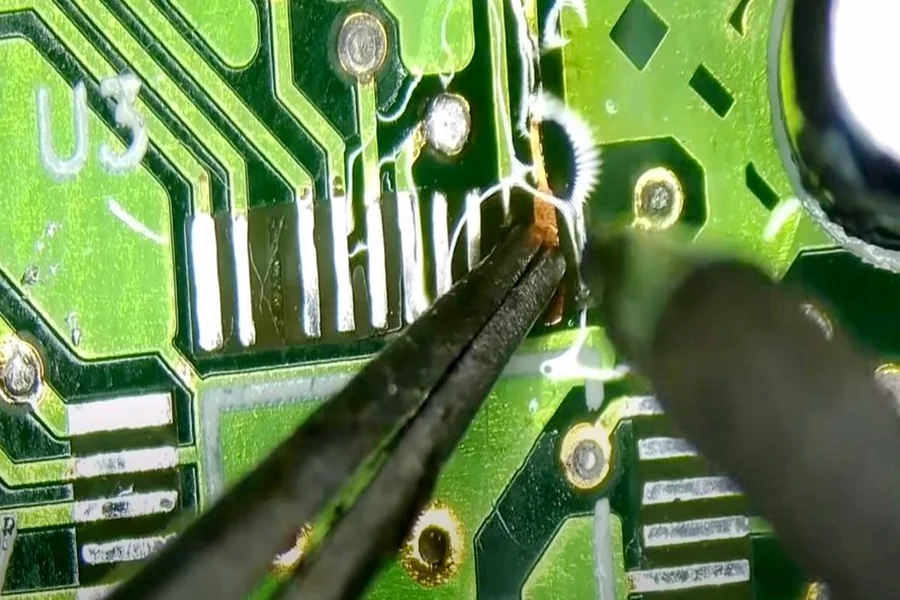
PCB fabrication and assembly form the foundation of modern electronics manufacturing. Fabrication refers to building the bare board—creating copper traces, drilling vias, applying solder mask, and finishing surfaces. Assembly, on the other hand, involves mounting electronic components onto these fabricated boards using SMT, through-hole, or mixed-technology methods. Together, PCB fabrication and assembly transform an electronic design into a fully functioning product.
In today’s technology-driven industries, the demand for reliable and high-performance PCBs continues to grow. From smartphones and medical devices to industrial machinery and automotive electronics, every sector relies on precise PCB fabrication and assembly processes to ensure excellent electrical performance and long-term durability.
Why PCB Fabrication and Assembly Matter
The combined process is vital because every stage impacts the final quality of an electronic device. PCB fabrication determines the accuracy of the board’s pathways, insulation, and structural strength. Assembly ensures these boards function as intended once electronic components are soldered in place. Even a small error during fabrication or assembly can cause product malfunction, signal interference, or complete circuit failure.
This is why high-quality PCB fabrication and assembly must follow strict standards, controlled workflows, and advanced inspection techniques. It ensures that each board meets your electrical, mechanical, and thermal performance requirements.
The PCB Fabrication and Assembly Workflow
Design File Preparation
The process begins with Gerber files, drill files, and BOM. Engineers review all data through a DFM analysis to detect design issues before production starts. This step avoids unnecessary delays and ensures manufacturability.
PCB Fabrication Steps
Fabrication involves transforming a design into a physical board through several well-structured steps.
Copper Cladding and Image Transfer
A copper-clad laminate forms the base material. The design is transferred onto the copper sheet using photoresist coatings and UV exposure. This creates the blueprint for conductive pathways.
Etching the Circuit
Etching removes unwanted copper, leaving only the required conductive traces. Precision in this stage ensures correct signal performance and avoids short circuits.
Drilling Holes and Vias
CNC machines drill vias and component holes with micrometer accuracy. For HDI designs, laser-drilled microvias are used to support multi-layer connections.
Lamination for Multi-Layer PCBs
For complex circuits, multiple copper layers are laminated together under heat and pressure. The lamination process ensures stability and signal integrity.
Solder Mask and Silkscreen Application
A protective solder mask is applied to prevent oxidation and accidental solder bridging during assembly. Silkscreen printing adds component labels and reference indicators.
Surface Finishes
Common finishes include HASL, ENIG, ENEPIG, or immersion silver. These finishes protect exposed copper pads and ensure excellent solderability.
PCB Assembly Steps
Once the board is fabricated and inspected, assembly begins.
Solder Paste Application
A stencil is placed over the board, and solder paste is applied onto the pads where components will be mounted.
Component Placement
High-speed pick-and-place machines mount resistors, capacitors, ICs, connectors, and other components with precision. SMT placement ensures speed and accuracy for high-density boards.
Reflow Soldering
The board passes through a reflow oven, melting the solder paste to create strong joints. A controlled temperature curve prevents defects like tombstoning or solder bridging.
Through-Hole Assembly
Some boards require connectors, transformers, or high-power components mounted through holes. These are soldered using selective or wave soldering.
Inspection and Quality Testing
Every board undergoes strict testing:
- AOI to check solder joints and placements
- X-ray inspection for BGAs and hidden leads
- Functional testing to ensure performance
- ICT or flying probe tests for electrical verification
This ensures the final PCB meets reliability standards and customer specifications.
Benefits of High-Quality PCB Fabrication and Assembly
Superior Performance
Accurate fabrication ensures ideal signal flow, minimal noise, and reliable electrical behavior. High-quality assembly ensures long-lasting component connections.
Better Product Reliability
Consistent fabrication standards reduce chances of short circuits, overheating, or component failures. This is crucial for industries like medical, automotive, and aerospace.
Faster Time-to-Market
Advanced automation in both fabrication and assembly shortens turnaround time, enabling quicker prototyping, testing, and product deployment.
Cost Efficiency
Integrating fabrication and assembly under one process reduces mistakes, improves communication, and lowers overall production costs. With optimized material sourcing and streamlined workflows, the entire project becomes more affordable.
Applications of PCB Fabrication and Assembly
Several sectors depend extensively on these processes. Consumer electronics require compact multilayer boards for smartphones and wearables. Industrial automation uses rugged PCBs for high-temperature environments. Medical devices rely on precision boards for accurate signal processing. Automotive, telecom, IoT, aerospace, and LED lighting industries also depend heavily on reliable PCB fabrication and assembly.
Why Choosing the Right Partner Matters
The quality of your PCB ultimately depends on the expertise and technology of your manufacturing partner. You need a team that follows global standards, uses modern automated equipment, and has strong engineering support. A reliable partner ensures consistent quality, transparency, and timely delivery while offering scalability for prototypes, low-volume, and mass production needs.
Final Thoughts: Build Better Electronics With a Trusted Manufacturer
High-quality PCB fabrication and assembly help turn innovative ideas into real, dependable electronic products. From design review to final testing, every stage requires precision, expertise, and responsible engineering. If you are looking for a dependable partner to manage your entire project from bare board to fully assembled PCB, choosing a China one-stop pcb assembly service gives you complete control, faster delivery, and unmatched manufacturing convenience.
