

In today’s global landscape, events—whether conferences, webinars, product launches, or trade shows—are no longer limited by geography. Organizers now cater to a diverse, multilingual audience. The demand for live translation for events has surged, making it a pivotal component for audience engagement and inclusion.
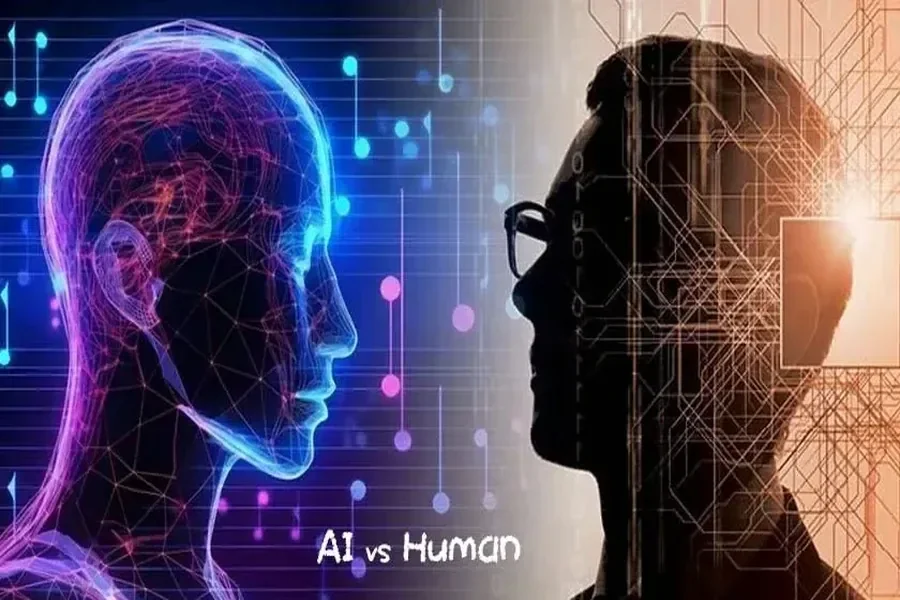
But as technology evolves, event planners are faced with a crucial decision: Should they rely on AI-powered translation tools or human interpreters for live events? While both have their merits, the choice isn’t always clear-cut. It depends on factors such as budget, event type, audience expectations, and linguistic complexity.
This article explores the strengths, limitations, and strategic implications of using AI versus human translators in live event settings, helping you determine what’s best for your multilingual audience. As this choice increasingly mirrors decisions in luxury technology—where cutting-edge automation meets personalized service—event planners must weigh innovation against human finesse to deliver the best experience.
Understanding Live Translation for Events
Live translation for events refers to real-time language conversion that enables audiences who speak different languages to simultaneously understand and engage with the event’s content. The two main methods are:
- Human interpretation: Delivered by professional interpreters either on-site or remotely.
- AI-powered translation: Delivered through speech recognition, machine translation, and synthetic voice or captioning tools.
Let’s explore each in depth before comparing their advantages and drawbacks.
The Rise of AI in Live Event Translation
AI-powered translation systems are rapidly becoming mainstream due to their scalability and affordability. Leveraging natural language processing (NLP), speech-to-text conversion, and neural machine translation (NMT), these tools can interpret spoken language into another in real-time.
Common AI Translation Tools:
- Speech recognition software (e.g., Google Speech-to-Text)
- AI subtitle generators (e.g., Otter.ai, Rev.ai)
- Machine interpreting platforms (e.g., Wordly, Interprefy AI mode)
Advantages of AI in Live Translation:
- Cost-Effective
- AI is significantly cheaper. For large-scale events, it can save thousands of dollars by eliminating the need for hiring multiple interpreters.
- No expenses on travel, accommodation, or equipment rentals.
- Instant Scalability
- Translate content into multiple languages simultaneously with minimal setup.
- Easily accommodate a growing number of language options on short notice.
- Speed and Automation
- Fast setup and integration with virtual platforms or apps.
- Supports automation of post-event transcripts and recordings.
- Accessibility Features
- Live captions and subtitles improve inclusivity for the hearing-impaired and non-native speakers.
Limitations of AI in Live Translation:
- Lack of Contextual Understanding
- AI often struggles with idioms, sarcasm, slang, and cultural references.
- Errors in interpretation can confuse or alienate audiences.
- Limited Customization
- AI tools lack the ability to adapt dynamically to tone, audience feedback, or changes in speaker intent.
- Accents and Background Noise
- Heavily accented speakers, multiple speakers at once, or noisy environments can reduce AI accuracy.
- Security Concerns
- Some platforms require uploading data to cloud servers, raising data privacy and confidentiality issues for sensitive content.
Human Translators: The Gold Standard of Accuracy
Professional interpreters bring decades of expertise, cultural awareness, and human intuition to the table. Their training and experience make them uniquely capable of handling complex discussions, humor, emotion, and abstract ideas in a way AI can’t.
Advantages of Human Translators:
- Accuracy and Nuance
- Human interpreters understand idioms, tone, sarcasm, and cultural sensitivities.
- Able to adjust on the fly for speaker intent, audience reactions, or live corrections.
- Better Engagement
- Human voice sounds natural and relatable, helping to keep audiences attentive.
- Live interpreters can maintain energy and emotional tone, crucial for storytelling or motivational speeches.
- Expertise in Niche Topics
- Specialized translators (medical, legal, technical) ensure terminologies are rendered precisely.
- Interactive Capability
- In hybrid or in-person events, human interpreters can take questions, adapt their interpretation style, or provide real-time support to speakers.
Limitations of Human Translators:
- High Cost
- Professional interpreters charge a premium, often $500–$1,500 per day, per language.
- Additional costs for booths, headsets, travel, and accommodation.
- Limited Scalability
- Multilingual support for more than 2-3 languages becomes logistically complex and expensive.
- Requires significant advance planning to secure skilled interpreters.
- Physical Constraints
- In-person interpreters may not be available for virtual-only events unless coordinated in advance.
- Interpreter fatigue can reduce accuracy during long sessions.
AI vs. Human Translators: A Comparative Snapshot
| Criteria | AI Translation | Human Translation |
| Accuracy | Good (80–90%) but inconsistent | High (95–100%) with subject expertise |
| Cultural Context | Lacks nuance and sensitivity | Deep understanding and real-time adaptation |
| Speed | Instant and scalable | Requires setup and human coordination |
| Cost | Low to moderate | High |
| Engagement Quality | Robotic, lacks emotion | Natural, engaging delivery |
| Language Customization | Basic to moderate | High—tailored to audience and content |
| Scalability (Multi-Language) | High | Moderate—resource intensive |
| Ideal for | Budget-conscious, virtual/hybrid events | High-profile, sensitive, or niche content |
Hybrid Model: The Best of Both Worlds?
Many successful event organizers today use a hybrid approach, combining the affordability of AI with the finesse of human translators.
Example Use Cases:
- Keynote sessions: Use professional interpreters to ensure precision and maintain energy.
- Breakout sessions: Employ AI-generated captions to reduce costs.
- Q&A or networking: Use live interpreters to facilitate real-time interactions and audience comfort.
This blended model optimizes both cost and quality, offering flexibility depending on the event format, session type, and target language groups.
Real-World Example: Tech Conference Case Study
Event: Global Tech Summit 2024
Languages Offered: English, Spanish, French, Mandarin
Budget: $50,000 allocated for translation services
Model Used:
- Opening/Closing Keynotes: Human interpreters for all 4 languages ($25,000)
- Breakout Rooms: AI-generated live captions and voice ($15,000)
- Panel Discussions: Human interpreters for Q&A only ($10,000)
Result:
- Attendance increased by 40% from non-English regions.
- Audience engagement (measured via polls and chat participation) rose by 27%.
- Over 1,000 post-event video views of translated sessions.
ROI far exceeded expectations, proving the value of a strategic translation plan.
How to Choose: Key Considerations
- Event Type
- Formal or technical events? Lean toward human interpreters.
- Casual, internal, or large-scale webinars? AI may suffice.
- Audience Profile
- If your audience includes non-native English speakers, first-time attendees, or international partners, consider a professional human option.
- Budget Constraints
- For limited budgets, prioritize human translation for high-visibility segments and supplement the rest with AI.
- Content Complexity
- Events involving humor, emotion, persuasion, or sensitive topics benefit from the depth and nuance only humans provide.
- Technology Infrastructure
- Ensure your event platform supports real-time translation tools or interpreter integration.
Conclusion: The Verdict
The debate between AI and human translators for live translation for events isn’t about which is universally better—it’s about what suits your event’s goals, audience, and budget.
- If accuracy, nuance, and audience connection are paramount, human interpreters remain the gold standard.
- If cost-efficiency, scalability, and speed are your top priorities, AI is an increasingly viable option.
Ultimately, the most effective strategy may lie in blending both. By thoughtfully integrating AI and human elements, event organizers can maximize reach, engagement, and return on investment—while ensuring every attendee feels heard and included, regardless of the language they speak.
